United States | HRC reaches its highest level since May 2022 The Midwest HRC index reached $1,305 per short ton on October 23, up 2.58% week on week. The US South index separately set a record of $1,290.80 per short ton on October 21. Strong demand, limited spot availability and maintenance outages supported the increases. Import HRC rose to $1,110–1,180 per short ton DDP Houston in the October 21 news assessment. Buyers increasingly sought overseas material, while domestic lead times remained approximately eight to ten weeks.
United States | CRC and coated-steel prices rise amid tight supply Cold-rolled coil increased to $1,520 per short ton on October 22. Cold-rolled-base galvanized coil reached $1,540, while hot-rolled-base galvanized coil reached $1,520 per short ton. Galvalume separately rose $50 during October to $1,430 per short ton, its twelfth consecutive monthly increase. CRC and HDG benefited from healthy demand, limited spot tonnage and extended delivery times. Galvalume buyers reported weaker residential demand despite rising replacement costs and producer backlogs. Trade-duty developments also complicated coated-steel imports and increased concerns about future landed costs.
United States | Tube producers announce $100-per-short-ton increases Atlas Tube, Bull Moose Tube and Nucor announced increases for hollow sections and related tubular products. The latest increases were generally $100 per short ton on new orders. Nucor and Atlas protected qualifying existing orders scheduled for shipment through November 20. The October 22 assessment for 4×4 HSS remained $2,110–2,210 per short ton before the increases took effect. Participants expected acceptance because of higher HRC costs, strong demand and tight tube availability.
United States | Wire rod increases take hold Domestic industrial-quality low-carbon wire rod reached $1,110–1,230 per short ton on October 20. The increase reflected mills’ $30-per-short-ton pricing moves. Nucor and Optimus announced increases, while sources reported similar action from Liberty Steel. Available imported wire rod remained at $950–1,040 per short ton loaded truck Houston. Limited domestic supply and extended lead times strengthened producers’ negotiating position.
United States | Plate prices climb as mills sell out available tonnage Domestic cut-to-length plate increased to $1,560 per short ton on October 20. Strong demand and low inventories continued to limit buyers’ options. Sources said many mills were largely sold out of spot material for the rest of 2026. Some buyers were waiting for January order books to open before receiving quotations. Lead times were approximately eight to twelve weeks, with participants expecting continued tightness into 2027.
United States | Rebar holds gains as construction demand supports orders Domestic rebar remained at $980 per short ton on October 21. Imported rebar for immediate delivery held at $890–930 per short ton loaded truck Houston. Earlier $30-per-short-ton mill increases had been accepted in transactions. Higher scrap costs, infrastructure projects and data-centre construction supported the market. Lead times were six to eight weeks, although some buyers expected a seasonal slowdown approaching winter.
United States | Insteel warns of wire rod deficit as earnings fall Insteel estimated the US domestic wire rod supply deficit at approximately 1.3 million tons. The company said tariffs and other trade measures made overseas sourcing more difficult. Fiscal fourth-quarter net earnings fell to $7.7 million from $14.6 million a year earlier. Sales increased 17.9%, but higher feedstock, freight and operating costs reduced margins. Infrastructure and data-centre projects supported demand, without fully offsetting rising production costs.
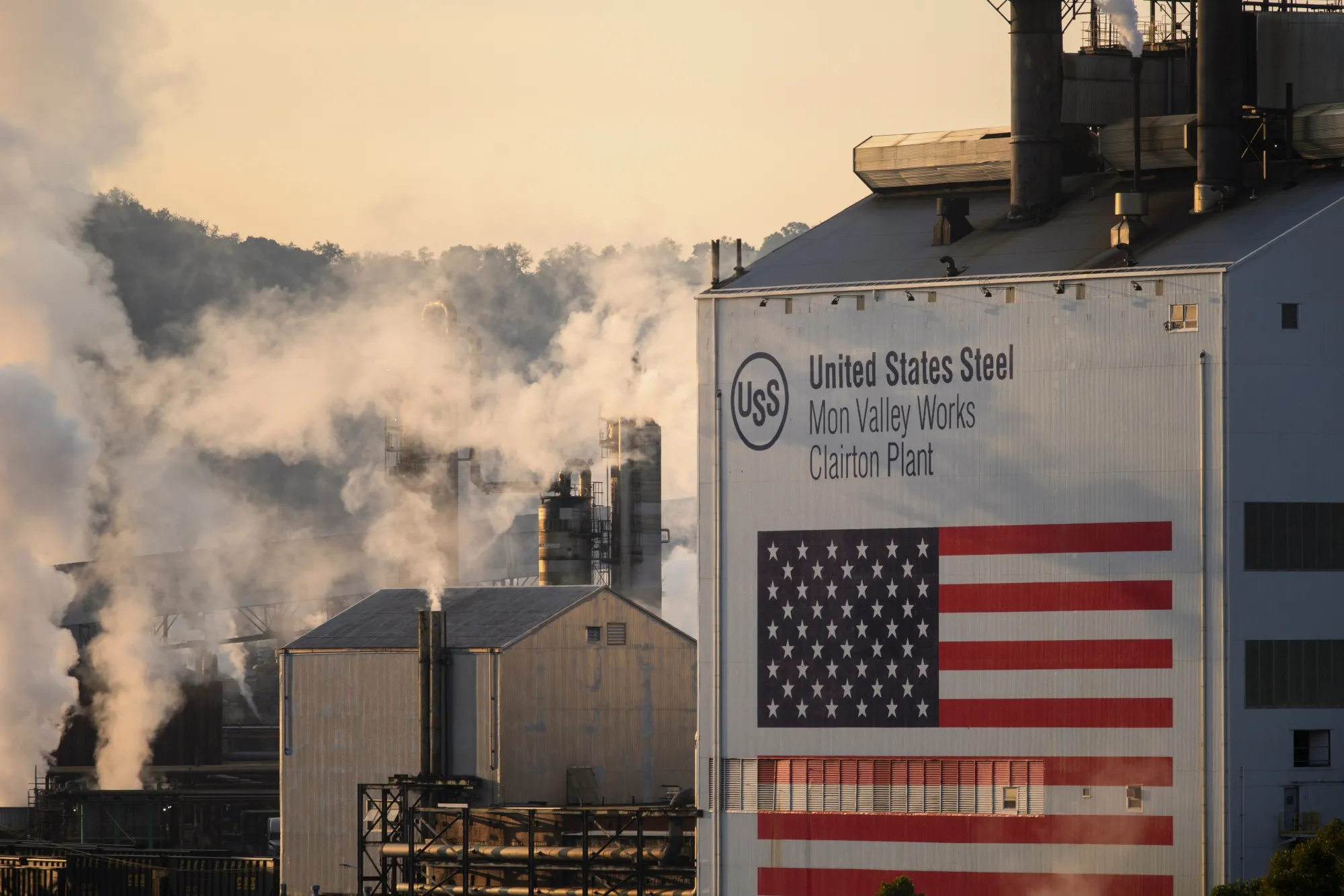
United States and Japan — US Steel approves nearly $3 billion Mon Valley investment US Steel approved Nippon Steel’s investment in a new hot-strip mill at the Edgar Thomson Plant. The project will increase Mon Valley capacity from 2.2 million to 3.5 million tons. Initial production is expected in late 2029, with construction dependent on necessary permits. New furnaces and slab-sizing technology are intended to improve efficiency and reduce waste and energy use. The investment forms part of Nippon Steel’s wider modernization commitments for US Steel.
United States — Steel Dynamics reports record quarterly shipments Steel Dynamics shipped a record 3.8 million short tons during the third quarter. Net income reached $756 million on revenue of $6.5 billion. Its mills operated at approximately 92% utilization, above the broader domestic industry average. Executives cited strong order books, lean inventories and limited imports as support for continued market strength. The company also warned that planned fourth-quarter industry outages could remove substantial HRC supply.
United States — Cleveland-Cliffs strengthens earnings and revises operating plans Cleveland-Cliffs reported third-quarter adjusted EBITDA of $612 million, compared with $286 million in the previous quarter. Steel shipments increased to 4.2 million net tons, supported by higher prices and strong orders. The company forecast further earnings growth, including approximately $715 million of adjusted EBITDA in the fourth quarter. Customers sought more 2027 contract tonnage, while Cliffs shifted agreements toward minimum-volume take-or-pay commitments. The Burns Harbor C furnace reline was postponed from mid-2027 to April 2028. That future 90-day outage is expected to remove approximately 500,000 tons of production.
United States — Reliance profits more than double Reliance reported third-quarter net income of $402.9 million, compared with $189.5 million a year earlier. Revenue increased to $5.21 billion, while shipments reached a record 1.87 million tons. Higher steel prices and increased shipments for the US border-wall project supported earnings. Data centres, energy infrastructure and other non-residential construction also contributed to demand. Management expected healthy fourth-quarter conditions, although several steel products remained difficult to source.
United States — Nucor expands utility-structures manufacturing Nucor plans to invest $60 million in its Towers & Structures facility in Trinity, Alabama. The expansion will add production capacity, storage space and a dedicated galvanizing inspection area. The investment responds to rising demand for steel poles and utility infrastructure. Its location beside Nucor’s Decatur sheet mill supports the supply of steel feedstock. The company is also constructing a Utah facility expected to begin operations in 2027.
United States — Weekly steel output and utilization increase US raw steel production reached 1.87 million short tons in the week ended October 17. Output increased 4.1% from the previous week and 8.6% year on year. Capacity utilization rose to 80.9%, compared with 77.8% one week earlier. Adjusted year-to-date production reached 75.632 million short tons, up 5.3%. The South remained the largest producing district, followed by the Great Lakes region.
United States — Domestic scrap strengthens while export trading stalls Strong mill demand encouraged shredders to increase feedstock purchasing prices. Midwest shredder feed rose to $207.46 per gross ton on October 19. Some suppliers expected further November increases, although these remained market expectations rather than settlements. Meanwhile, no fresh East Coast export sales had been recorded since September 25. New York export indices rose because estimated freight costs fell, rather than because new higher-priced cargoes traded.
United States and India — Pig iron prices firm as Indian shipments surge The US pig iron benchmark increased $5 to $500–530 per tonne on October 19. Indian pig iron arrivals reached 230,085 tonnes in August, up 25.2% month on month. Brazilian shipments fell sharply over the same period to 92,347 tonnes. Competitive Indian offers increased purchasing alternatives for US mills. The price premium between pig iron and prime busheling scrap narrowed, affecting feedstock purchasing decisions.