






Introduction
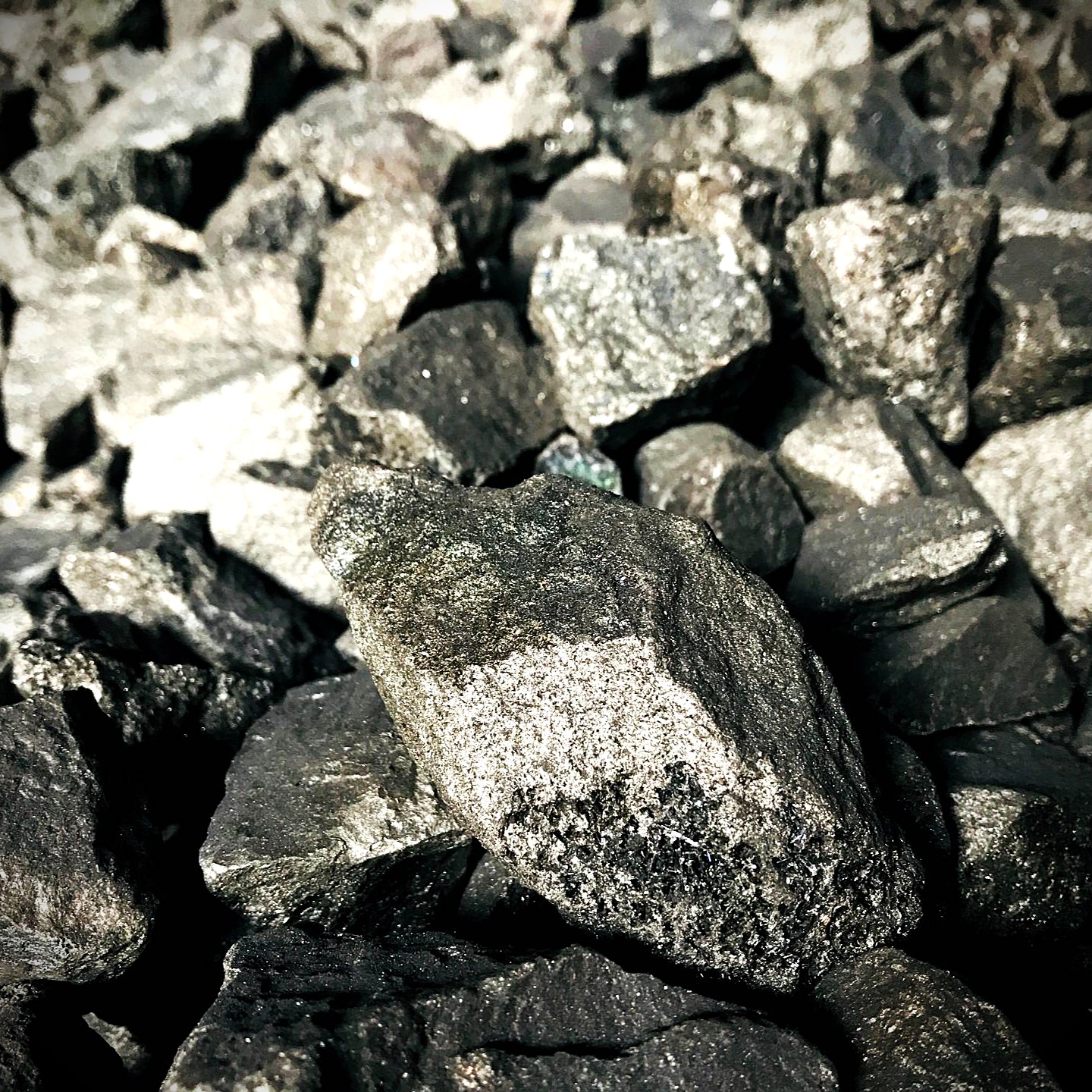
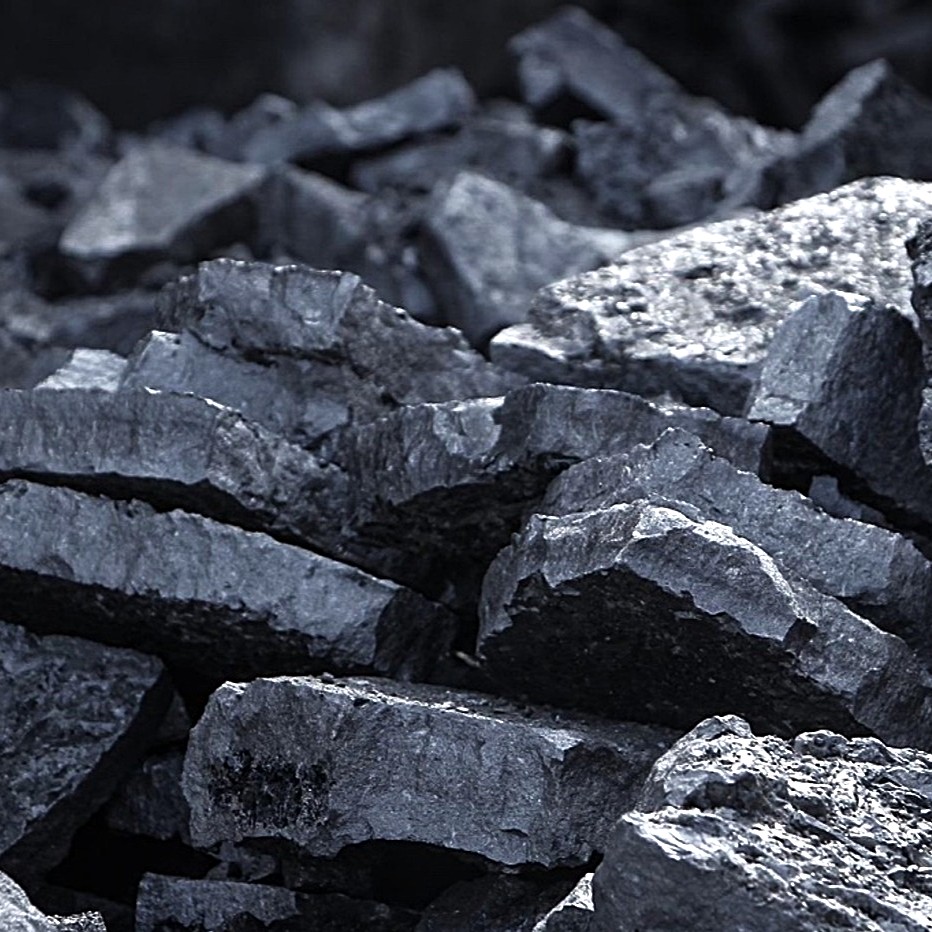
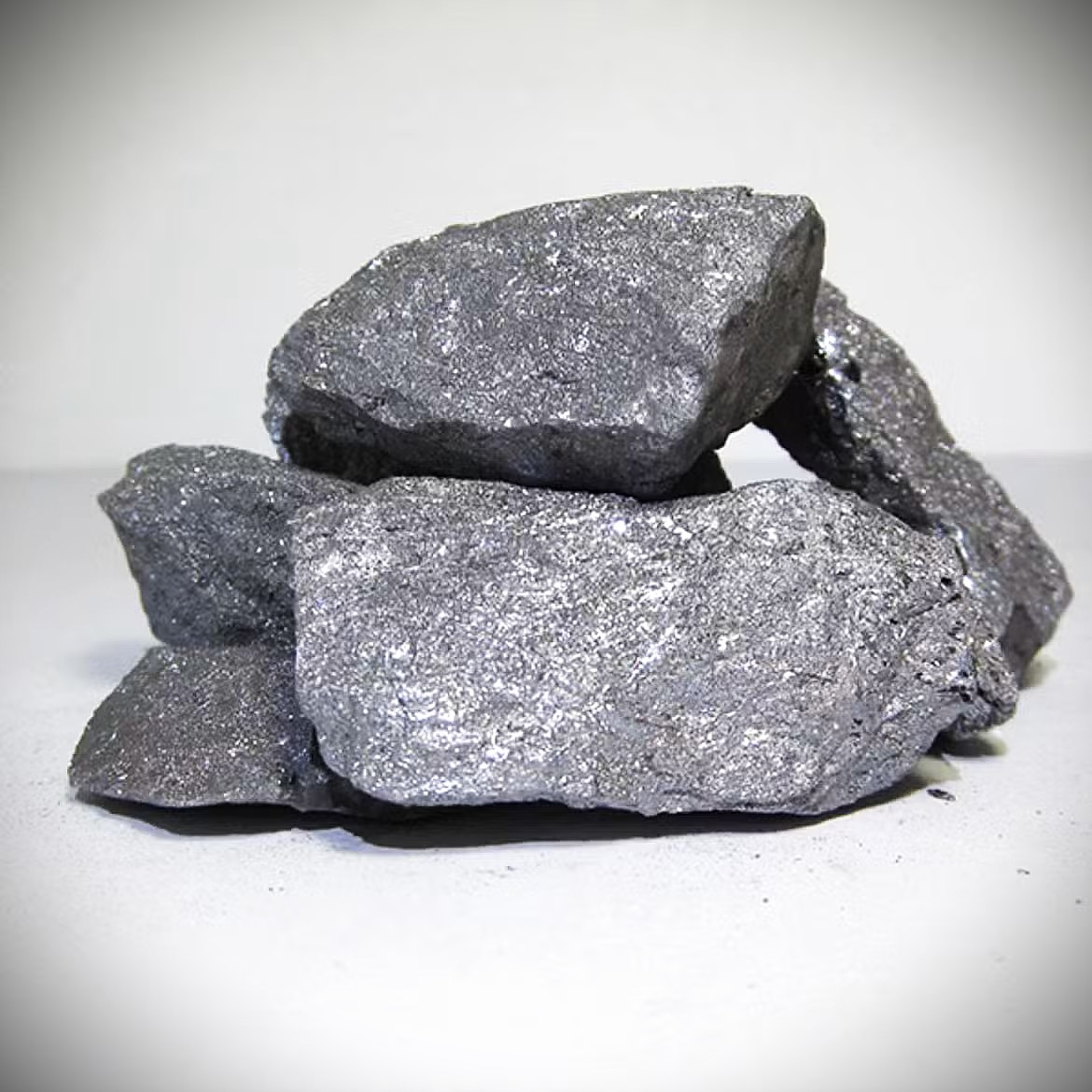
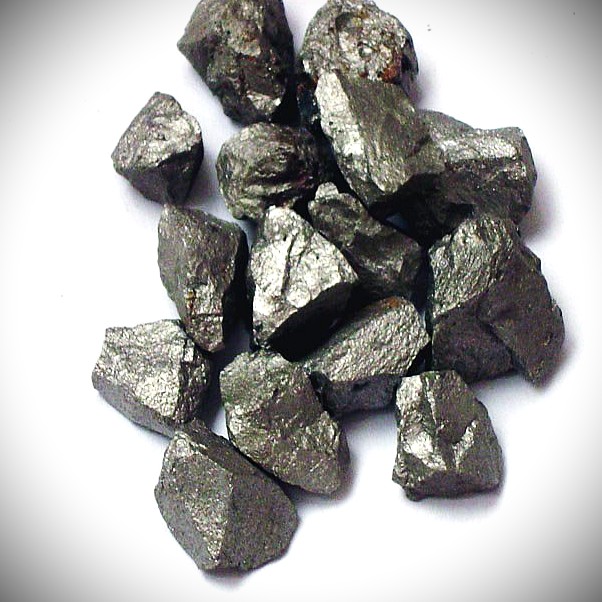
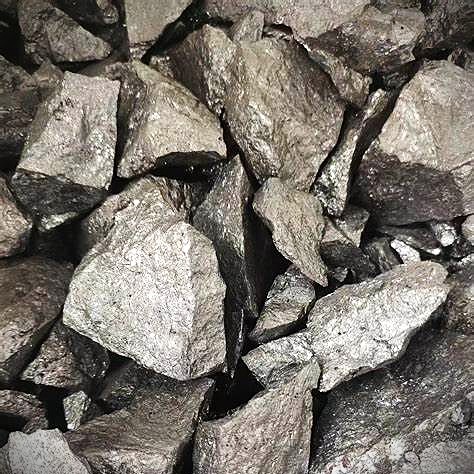
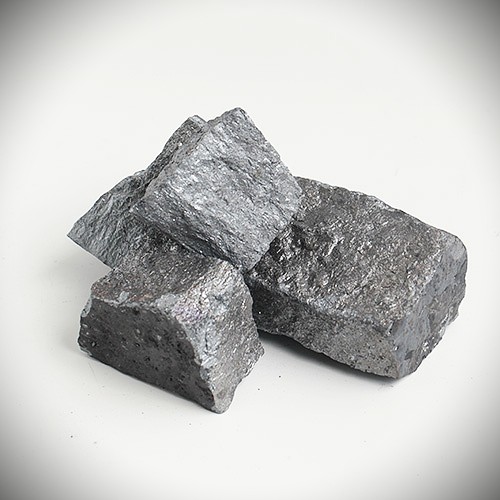
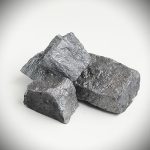
Ferrosilicon is produced by reduction of silica or sand with coke in the presence of iron. Typical sources of iron are scrap iron or mill scale. Ferrosilicon with silicon content up to about 15% are made in blast furnaces lined with acid fire bricks.
Ferrosilicons with higher silicon content are made in electric arc furnaces. The usual formulations on the market are ferrosilicons with 15%, 45%, 75%, and 90% silicon. The remainder is iron, with about 2% consisting of other elements like aluminium and calcium. An overabundance of silica is used to prevent formation of silicon carbide. Microsilica is a useful byproduct.
A mineral perryite is similar to ferrosilicon, with its composition Fe5Si2. In contact with water, ferrosilicon may slowly produce hydrogen. The reaction, which is accelerated in the presence of base, is used for hydrogen production. The melting point and density of ferrosilicon depends on its silicon content, with two nearly eutectic areas, one near Fe2Si and second spanning FeSi2-FeSi3 composition range.
Ferrosilicon is used as a source of silicon to reduce metals from their oxides and to deoxidize steel and other ferrous alloys. This prevents the loss of carbon from the molten steel (so called blocking the heat); ferromanganese, spiegeleisen, calcium silicides, and many other materials are used for the same purpose. It can be used to make other ferroalloys. Ferrosilicon is also used for manufacture of silicon, corrosion-resistant and high-temperature-resistant ferrous silicon alloys, and silicon steel for electromotors and transformer cores. In the manufacture of cast iron, ferrosilicon is used for inoculation of the iron to accelerate graphitization. In arc welding, ferrosilicon can be found in some electrode coatings.
Shipping and Logistic
Ferro silicon (FeSi) is an alloy of iron and silicon, typically containing a silicon content of between 15% and 90% depending on the usage and application. It’s used as a deoxidizer in the production of steel and in the manufacturing of other ferrous and non-ferrous metals.
If you’re interested in the shipping or transportation of bulk Ferro Silicon, here’s an overview of what you should consider:
1. Packaging:
• Jumbo Bags: One of the most common ways to ship Ferro Silicon is in 1-ton jumbo bags, which provide a balance between bulk shipping and the flexibility of smaller weight segments.
• Bulk: For larger quantities, Ferro Silicon might be shipped in bulk without specific packaging, directly inside the ship’s hold or a container.
• Drums: Smaller amounts can be shipped in metal or plastic drums.
2. Transportation Modes:
• Sea Freight: This is the most common mode for international shipments. Ferro Silicon is usually shipped in bulk carriers or in containers.
• Rail: Especially in regions like Europe or Russia, rail can be an efficient mode for transporting Ferro Silicon.
• Road: Trucks are often used for shorter domestic deliveries or last-mile delivery.
3. Safety and Handling:
• Moisture Sensitivity: Ferro Silicon is sensitive to moisture. It’s essential to keep the product dry during shipping to prevent quality degradation.
• Dust Control: Depending on the grade, FeSi can produce a lot of dust, which might require dust control measures during loading and unloading.
4. Regulatory Compliance:
Ensure that the shipment meets all regulations in both the exporting and importing countries. This can relate to safety, environmental concerns, and quality standards.
5. Documentation:
• Bill of Lading: Required for sea shipments, this document acts as a receipt for the cargo and represents the contract between the consignor and the carrier.
• Certificate of Analysis (CoA): Confirms the product’s quality and composition.
• Packing List and Commercial Invoice: Essential for customs clearance.
6. Insurance:
Always consider insuring your cargo. The nature of Ferro Silicon doesn’t make it particularly high-risk, but it’s good practice to have insurance in place for any unexpected events.
7. Storage:
Upon arrival, ensure the storage facility is dry and well-ventilated. Moisture can degrade the quality of the product. Also, consider dust control measures in storage facilities.
When considering shipping Ferro Silicon, it’s essential to factor in all these points to ensure the product arrives at its destination in the best possible condition and without any regulatory hiccups.
Specification


Reviews
There are no reviews yet.