








Introduction
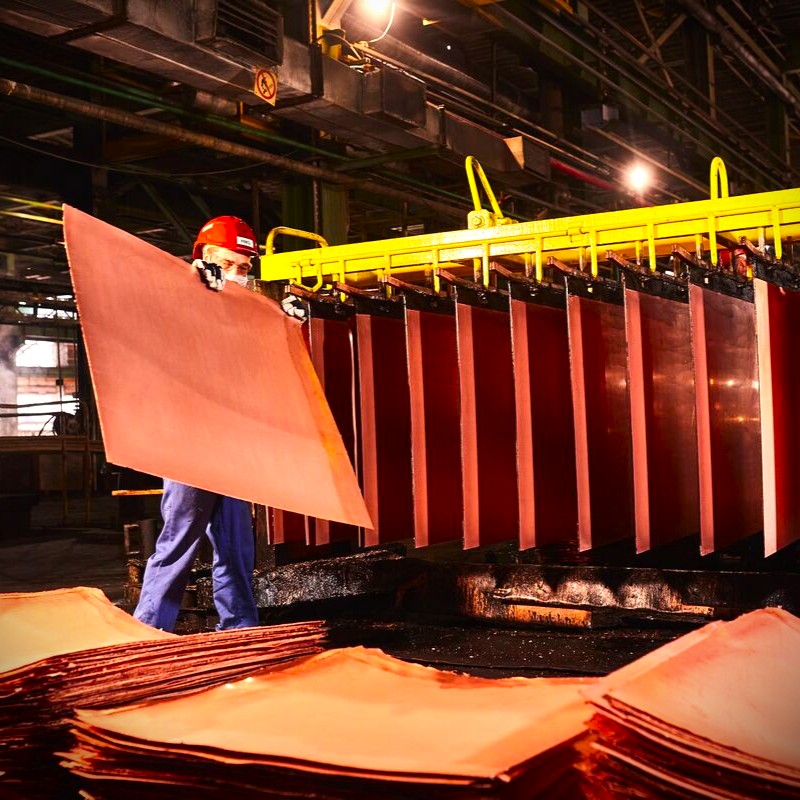
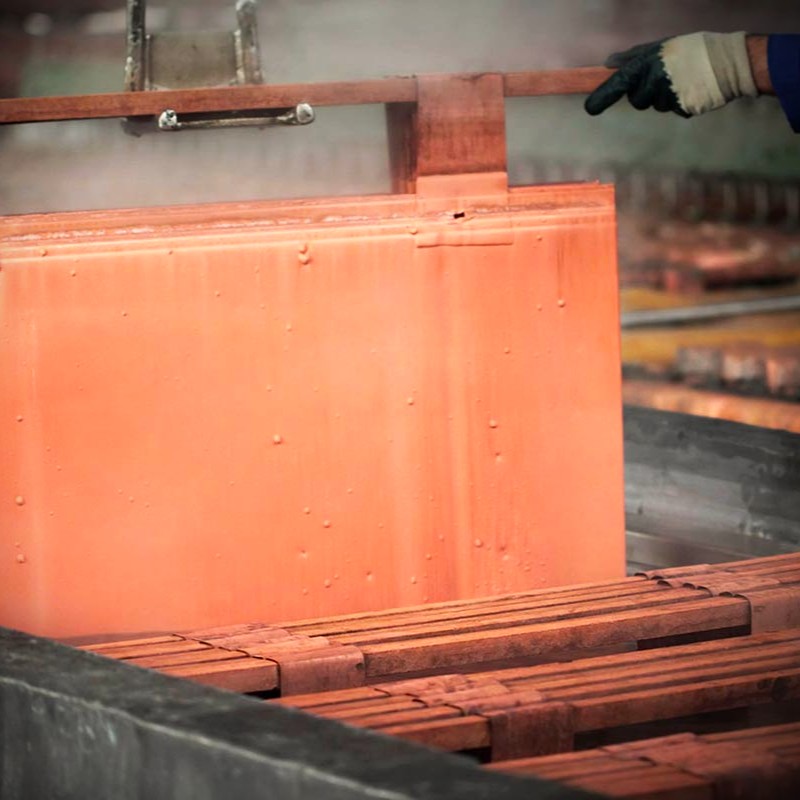
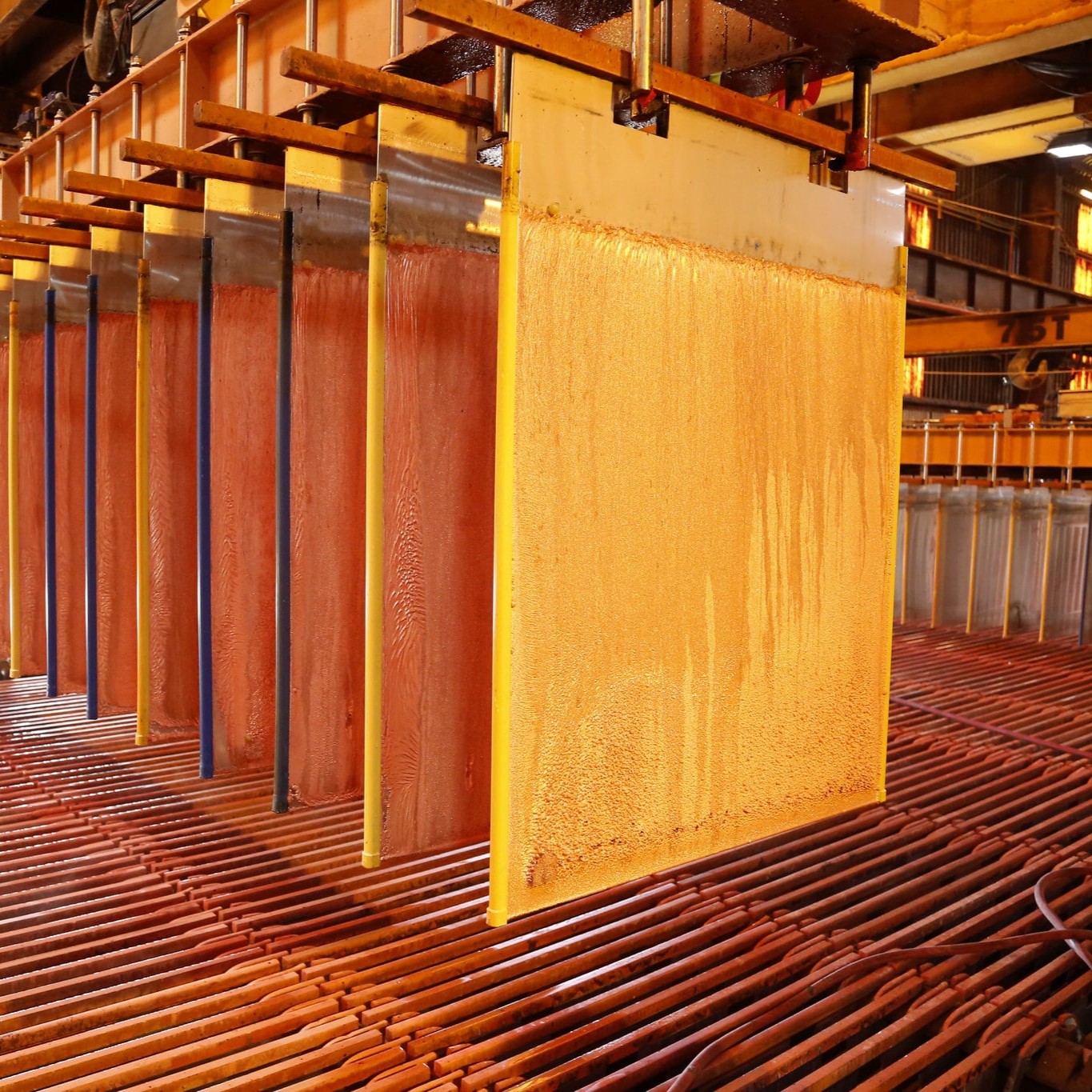
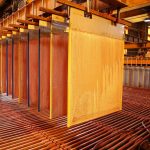
Copper cathode is a pure form of copper that is used in the manufacturing of various copper products. It is produced by refining raw copper ore through a process called electrolysis. Copper cathodes are used as a raw material feed for the production of high purity copper and copper alloy products. A cathode is a 50 to 80 kg copper square that is produced when pure copper separates from unwrought copper in an electrolytic refining process.
Shipping and Logistic
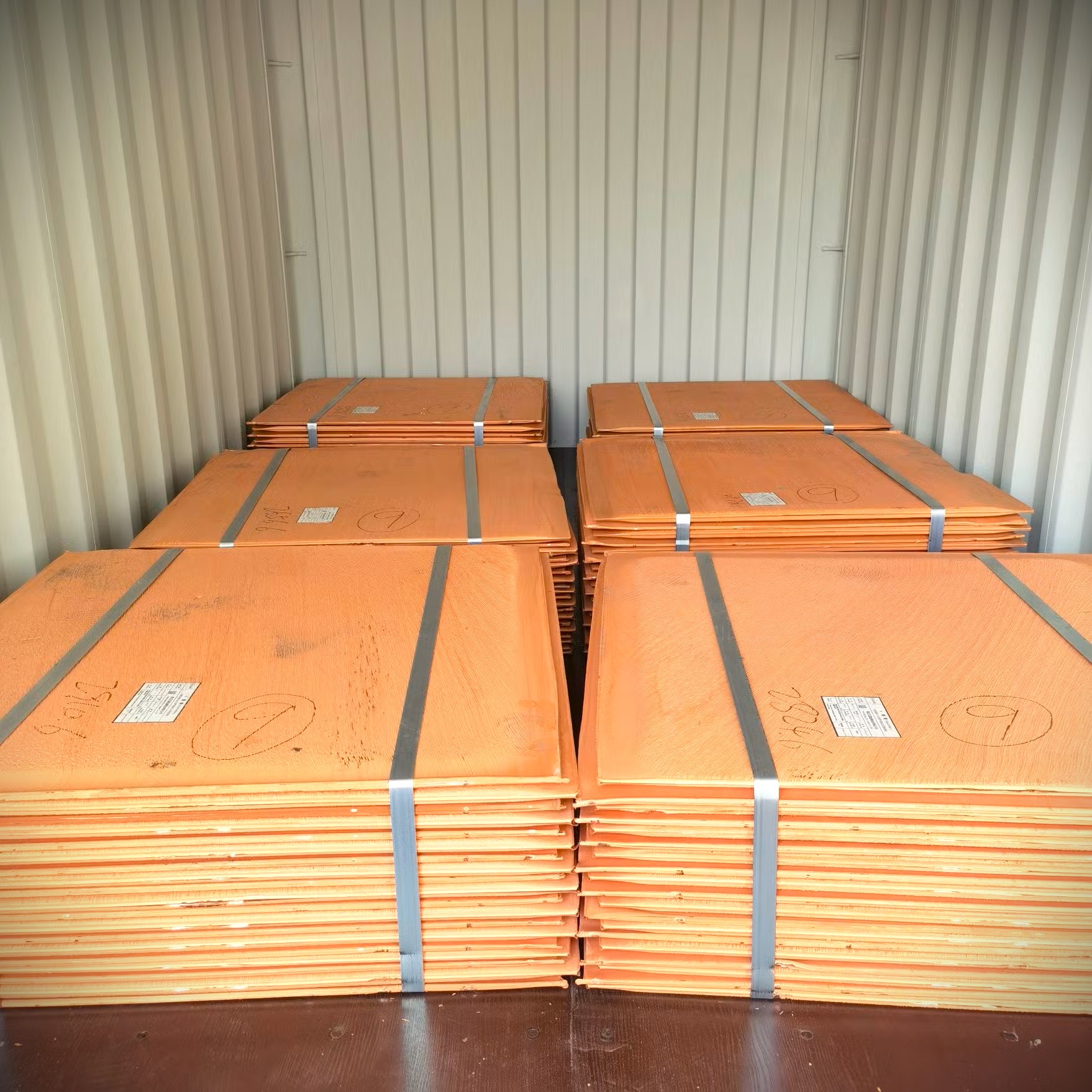
Bundles of cathode sheets of between 1 and 4 Tonnes and held together by steel strapping are shipped unpackaged. Care should be exercised during handling to avoid straps breaking which cause the bundles to become unstable with potential separation and loss of some sheets.
Electrolytic copper cathodes are usually bought upon a weight basis, and are normally shipped unpacked, often bound together with metal bands. During handling of bundled cathodes, care should be taken that rough handling does not cause breakage of metal bands.
It is quite common for cathodes to have surface excrescences arising out of the process of manufacture, in the nature of small ‘pimples or warts. Handling in the course of transit may result in these surface irregularities being broken down and the cathodes delivered with a smooth surface. This may result in a difference between shipped and delivered weights. Cathodes are manufactured with ‘ears’ for hanging purposes and frequently these ‘ears’ are knocked off, resulting in further loss of weight.
Specification
Copper – Cu – 99.97% Min.
Silica – Si – 0.3ppm Max.
Cobalt – Co – 0.2ppm Max.
Bismuth – Bi – 0.1ppm Max.
Lead – Pb – 0.2ppm Max.
Tellurium – Te – 0.05ppm Max.
Iron – Fe – 2ppm Max.
Silver – Ag – 10ppm Max.
Aluminum – Al – 0.5ppm Max.
Selenium – Se – 0.3ppm Max.
Manganese – Mn – 0.1ppm Max.
Sulphur – S – 4ppm Max.
Nickel – Ni – 0.2ppm Max.
Magnesium – Mg – 0.4ppm Max.
Antimony – Sb – 0.1ppm Max.
Oxygen – O2 – 0
Arsenic – AS – 0.1ppm Max.


Reviews
There are no reviews yet.